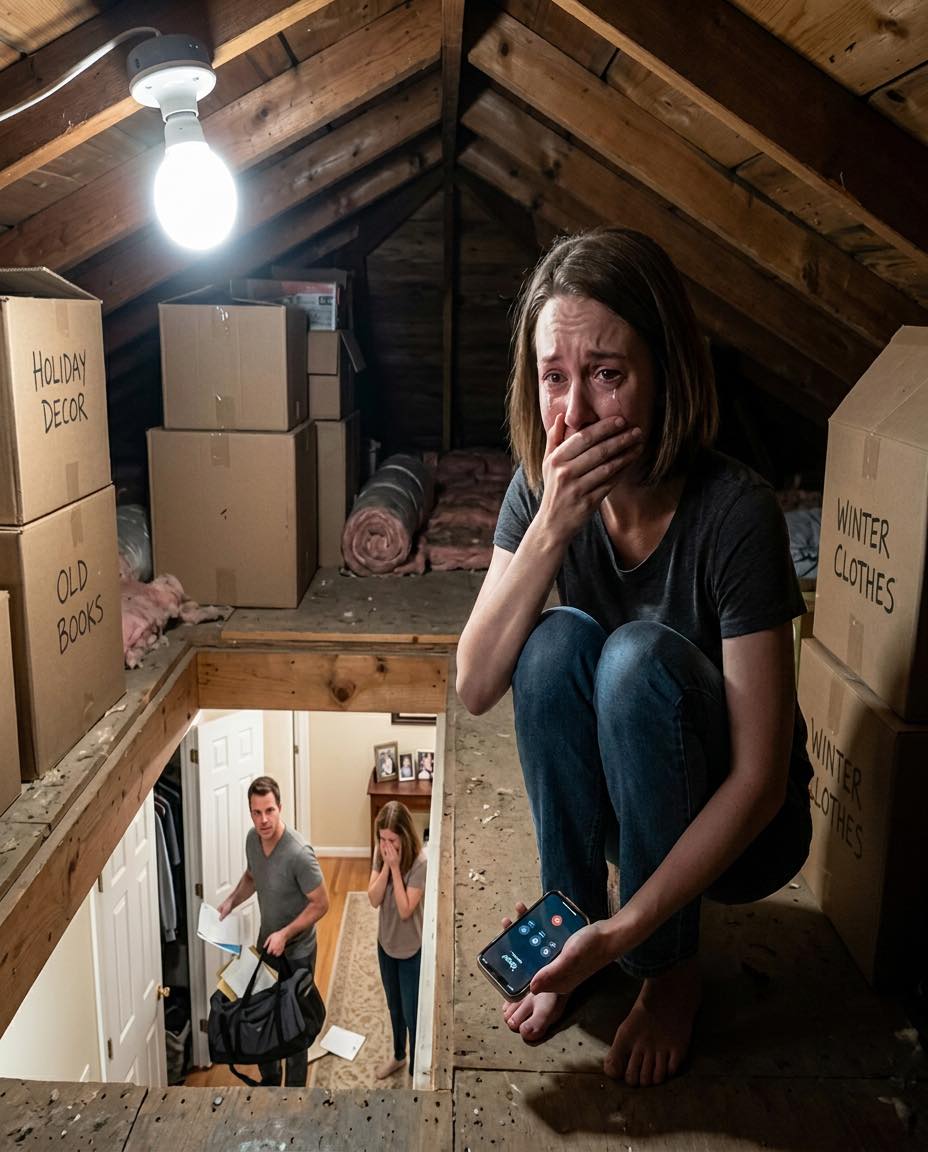
What the story does well in its final part is avoid overexplaining emotions. Elise doesn’t collapse into long reflections. Instead, the aftermath is shown through behavior: checking locks, reacting to phone calls, struggling to explain things to her son. That restraint makes the trauma feel more real.
The decision to move to a house without an attic is a small but powerful detail. It’s not just about safety—it’s about removing the physical reminder of the moment everything changed. It’s a quiet form of control in a life that had been manipulated.
And the final idea is what stays with you:
She didn’t miss the signs because she was careless.
She missed them because there were no obvious signs to see.