ADVERTISEMENT
The number he quoted was more than I had available, and he said it like it was an ordinary fact, not the final hit to someone already on the ground. I asked what I was supposed to do. He gave me instructions, not sympathy.
It was packed with the things I could not replace quickly, and now it was locked behind a gate I could not afford to open. I ended the call and looked around, trying to decide which direction mattered. Cars passed.
People went about their Saturday errands. Nobody knew my life had been emptied out in less than forty-eight hours. I started walking because standing still felt worse, and because I did not have anything else left that could move.
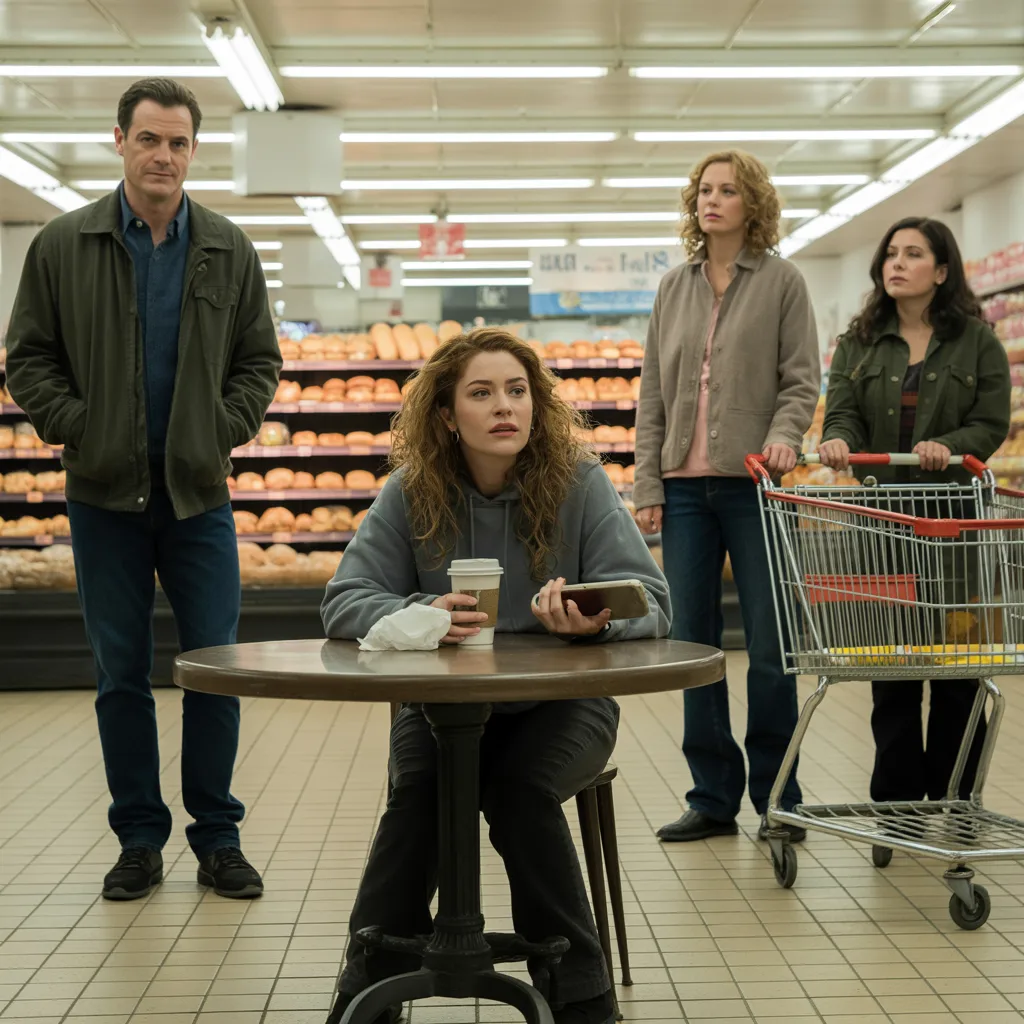
It was not cozy, but it had Wi-Fi, outlets, and a bathroom. That was enough. I bought the cheapest thing on the menu, a small drip coffee, and took a seat where I could keep my back to the wall.
My phone was barely alive. I plugged it in and watched the battery crawl upward, trying to ignore the fact that my car, my clothes, and most of my life were sitting behind a locked gate I could not afford to open. Around me, people moved with purpose.
When my phone had enough charge, I checked my account again. The number did not change. I did the math anyway because panic loves repetition.
Plans. A weekend getaway. A hotel lobby shot.
No one asked where I was sleeping. No one asked if I had eaten. No one asked anything.
I put the phone down and stared at the coffee cup like it could give me an answer. What I felt was not sadness. It was clarity.
Shelter. Transportation. Income.
Paperwork. The last word looked strange on the screen, but it would not leave my mind because there was one fact my family treated like it did not exist. My grandmother had owned the house my parents lived in.
I sat with her when the house felt too quiet. The rest of the family was busy, and I filled the gap because someone had to. After she passed, her estate was handled by an attorney.
I had stayed quiet because I told myself it was the decent thing to do. I did not want to turn grief into a fight. I did not want to be the person who talked about ownership at the dinner table.
So I let the silence stand, and I paid what needed to be paid, thinking appreciation would show up eventually. Sitting in that grocery store coffee corner, I finally admitted the obvious. Silence does not earn respect from people who feel entitled.
It just gives them room. I found the attorney’s contact and stared at it until my pulse slowed. His name was Michael Hargrove.
I had not called him in years. Calling him now meant I was done pretending my family would treat me fairly on their own. I stepped outside near the cart return so I would not be surrounded by shoppers.
The air smelled like wet pavement. I hit call. When Michael answered, I identified myself and kept it tight.
I told him I had lost my job. I told him my lease had been pushed into an early termination with five hundred dollars from my sister. I told him I had been locked out before I could finish packing.
I told him my car had been towed with my belongings inside it. Then I asked him one question. “What can I do?
And how fast can it start?”
He asked a few clarifying details, steady and practical, like he was already sorting my mess into steps. Then he confirmed what I needed to hear. The house was mine.
It had been mine since the estate closed. My parents were there because I allowed it, not because they had any legal right. He outlined the process in plain terms: notices and timelines.
Nothing dramatic, just paperwork that moves when it is filed correctly. He did not push me. He did not preach.
He just made the options real. I listened, and the guilt I had been carrying finally started to feel less like love and more like conditioning. I told him to begin.
A little later, my phone turned into a siren. My sister called first, then again, then again. The kind of persistence that is not concern, but panic.
After that came my dad, then my mom, then all of them in different orders, as if rotating would eventually make me pick up. I left the calls unanswered and watched the screen light up and go dark. Michael sent a short message confirming he had prepared the first notice and would have it served correctly.
No drama, just a clean next step. I stayed at the grocery store cafe because it was functional. Wi-Fi, an outlet, a bathroom, people minding their own business.
I bought another small coffee and kept my eyes on the front windows. One car pulled in and stopped. Then another, then a third.
I recognized the way they parked too close to the entrance, like they were trying to shorten the walk and widen the impact. They came in together and scanned the seating area like they were searching for proof I still existed. My dad spotted me and moved first.
My mom followed, already shaken. My sister came last, shoulders stiff, face tight. She was not at all the person who had sounded amused on the phone.
I did not stand. I stayed where I was and let them crowd the table. They started talking over each other, trying to force a conversation into the shape they wanted.
My dad’s tone was controlled but sharp. My mom sounded like she was trying to cry quietly. My sister kept looking at my phone like it was the one thing she could not reach.
I waited until there was a pause and asked one question. “How did you find me?”
Nobody answered cleanly. They did not need to.
They had been calling nonstop, and when I did not respond, they went looking in the places I used to go when I needed Wi-Fi and space. It was not love. It was containment.
My dad finally asked what I had done. His hands were shaking, and he hated that I could see it. I told them I had spoken to Michael Hargrove about my grandmother’s estate.
That sentence landed like a weight. My dad went still. My mom blinked hard like she was trying to rewind.
My sister’s confidence collapsed into calculation. My dad tried to move the discussion outside, somewhere private. I said no.
He asked what I wanted, like we were negotiating terms instead of addressing what they had started. I kept it simple. I wanted my belongings back.
Not when it was convenient, but soon enough that my essentials did not get ruined or tossed. I wanted my car situation handled in a way that did not require money I did not have, which meant someone in this family needed to undo the mess they helped create. And I wanted them to prepare to leave the house they were living in because it was mine.
My mom gripped the edge of the chair. My dad’s jaw tightened. My sister looked offended, as if ownership was an attitude problem.
They each tried a different angle. Tough love. A mistake.
Helping. Different words, same intent. Get me to back down.
Get me to sign something. Get me to accept that they could rearrange my life and call it guidance. I did not argue.
I told them the only fact that mattered. My sister paid five hundred dollars to accelerate my removal from my apartment, and the two of them supported it. A store employee passed by and glanced at our table.
My dad lowered his voice and shifted into negotiation mode, asking if I could pause whatever was in motion, promising support if I would just stop. I told him I was not interested in promises that appeared only after I had leverage. My mom started talking about family.
I let her finish, then asked her what she thought would happen when parents push their daughter out right after she loses her job. She could not answer. My sister finally asked the question she had been avoiding.
“Do you really own the house?”
“Yes,” I said. Her face drained. My dad stared at the tabletop.
My mom looked between us with a new kind of shock. I stood up, picked up my bag, and told them they needed to start making plans that did not involve me absorbing the damage. Then I walked away toward the aisles, leaving them at the table with nothing to control but their own panic.
Over the next week, my family did not calm down. They escalated. My dad stopped calling like a parent and started calling like someone trying to manage a problem.
My mom left long voicemails that sounded gentle until you caught the message underneath. If I cooperated, things could go back to normal. My sister bounced between anger and fake warmth, as if the right tone would unlock me.
Michael kept me on rails. He told me what paperwork would be delivered, what timelines mattered, and what not to say on recorded lines. Once the notice was in motion, my dad’s panic sharpened.
He asked to meet privately. I refused. I agreed to a public place with cameras and people around.
He arrived talking fast, trying to frame what they had done as discipline, not harm. He called it tough love. He used the word love like it was a shield.
I did not debate the philosophy. I told him the practical truth. I had been pushed out with a deadline I could not meet.
My belongings were scattered, and my car was locked behind an impound gate I could not afford. He tried to pivot into negotiation. “What would it take for you to stop?”
I told him I wanted my property treated like property, and I wanted my name untangled from his debt.
Years ago, when he expanded his consulting work, he had asked me to co-sign a business loan. I was barely out of my teens. He called it a formality.
I signed because I trusted him and because refusing him in that house always had consequences. Michael had explained what the bank paperwork meant. The loan still had a balance in the neighborhood of forty thousand dollars.
If it went bad, my credit would suffer with his. I told my dad I wanted off it, either through refinancing or repayment, and I was not accepting another vague promise. He said it could not happen quickly.
He said banks did not move that fast. He said I did not understand business. I told him I understood enough to know he had used me.
The next call came from someone outside the family. A man introduced himself as Ethan Caldwell, my dad’s business partner. He asked to meet and talk through options.
I picked a small diner near a busy shopping plaza. Ethan did not waste time. He said my demand would create a crisis for the company.
He talked about contracts, payroll, and people depending on stability, then tried to make it feel like my responsibility. I asked if he knew my sister had paid money to get me removed from my apartment within two days. He said he did, then dismissed it as family conflict, separate from business reality.
My name on that loan had been business reality when my dad needed it. Now they wanted it treated like a favor. I told Ethan my co-signature was not a favor.
It was risk, and I was done carrying it. He asked if there was a number that would make me back off. I told him the number was whatever it took to remove my name cleanly.
Until that happened, the process would keep moving. He left looking irritated, like I had failed a test I did not agree to take. My mom tried next.
She asked to meet, and I chose a crowded cafe inside a grocery store because it was familiar and public. She arrived with puffy eyes and a careful voice. She apologized without actually owning anything.
She said they were scared for me. She said they never thought it would get this bad. I asked her what she thought an early termination and a lock change would do.
She offered a deal. If I dropped the notice, they would help me job hunt, connect me with better opportunities, and support me while I got back on my feet. It sounded generous until you heard the condition.
Give up leverage first, then accept their control again. I told her I was not a project. She accused me of punishing the whole family and warned me I was breaking something that could not be repaired.
She expected that to scare me into compliance, and it almost worked. Not because I wanted them back, but because I finally understood what they valued. They valued the version of me that stayed quiet.
After that, my sister started sending messages that rewrote history, framing herself as the reasonable one. I did not answer any of it. Near the end of that stretch, my dad’s texts turned frantic.
He wrote about the bank, a review, and paperwork issues tied to the house, like the ground was shifting beneath him and I was supposed to stabilize it. I read the messages, put the phone down, and let the consequences keep moving forward exactly as filed. A few days later, the calendar stopped feeling theoretical.
The notice did what notices do. It put a deadline on denial. Michael kept everything clean and properly served, and my dad learned the hard way that paperwork does not pause for family meetings.
I kept moving like someone who still had to survive. I applied for jobs from library computers, kept my voice steady in interviews, and tried not to think about how most of my clothes were still locked in my car at the impound lot. Michael sent a formal request to the lot asking for a brief hold on any auction timeline while I arranged retrieval.
It was not guaranteed, but it bought time. Ethan called again near the end of the month. He did not try to lecture me about loyalty this time.
He said the bank had gotten nervous once the loan demand hit their system, and their biggest client was asking questions. He wanted a settlement that removed my name from the business loan fast. Michael negotiated directly.
I did not sit across from anyone and trade feelings. The offer that landed in writing was thirty thousand dollars as a settlement to release my portion of the co-signer obligation and remove my name from the loan going forward. It was clean, immediate, and enforceable.
I accepted. When the money hit my account, I did not celebrate. I went straight to the impound lot, paid the fees, and got my car back before it could become another permanent loss.
I opened the trunk and touched my own things like they were proof I had not imagined the last two weeks. Then I paid off the small financial damage that had piled up during the chaos and set aside a chunk as an emergency fund because I never wanted to be that exposed again. My parents moved out on the deadline.
There was no heartfelt goodbye. There was no moment where everyone suddenly understood. They packed, loaded a truck, and left for an apartment they could afford.
My dad’s business did not collapse overnight, but it took real hits. Strained cash flow, shaken clients, and the kind of stress that does not disappear just because you want it to. My sister took hits too, just in a different way.
That five hundred dollars she had tossed at my landlord was not spare cash. It had gone on a card. Once the family’s money got tight, her funny idea turned into real payments she could not dodge.
She tried to blame me for the fallout, but blame does not lower an interest rate or repair a relationship damaged for the sake of control. My mom tried one last time to pull me back into the old pattern. She asked what would make things right.
I told her the honest answer. Nothing could put us back where we were, because the version of family they wanted required me to accept mistreatment without consequences. That was over.
I changed the locks the first day the house was empty, set up mail forwarding, put cameras on the doors, and froze my credit with all three bureaus. Not because I was paranoid, but because I had learned what entitlement looks like when it gets desperate. My dad sent a text later that night listing how hard things were for them, like struggle was a coupon that erased what they had done.
I read it once and did not respond. I blocked numbers one by one, including my sister’s. I told Michael that any future contact would go through his office.
A week later, I started a new job. It was not a miracle. It was stability.
I bought basic furniture, replaced what was damaged, and kept my budget tight. The house felt quiet, but it also felt safe, and that mattered more than nostalgia. Here is what I took from all of it, and what I hope you take too.
People will call you selfish the moment you stop being convenient. They will label your boundaries as unfair when those boundaries block their access. If someone can harm you and still expect your loyalty, they do not want a relationship.
They want a supply line. Family can be a source of strength, but shared DNA is not a lifetime contract. Respect is the contract.
If respect is not there, you are allowed to choose distance, even when it hurts, even when other people do not understand. If you are in the middle of something similar, protect the practical pieces first. Know what is in your name.
Read what you sign. Keep copies. Build a small emergency fund if you can, because survival gets expensive fast.
And if you need to set a boundary, set it clearly, then protect it. Thanks for staying with my story. If you have ever had to choose between keeping the peace and keeping your dignity, leave a comment with what helped you and subscribe so you do not miss the next one.
ADVERTISEMENT
