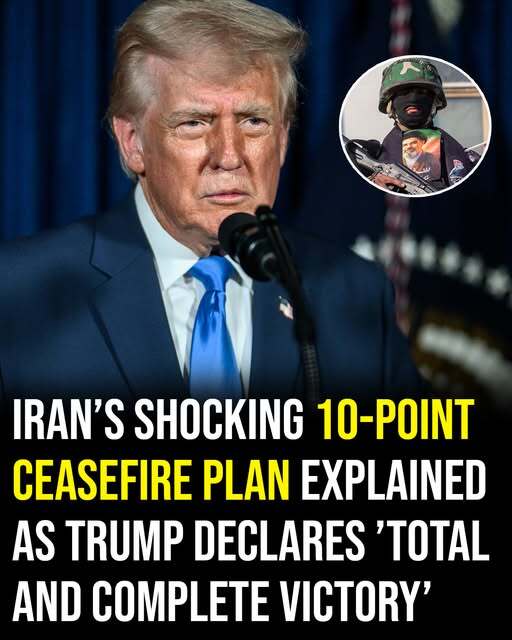
The most obvious focal point of this problem is still the situation in the Strait. Every time a Western trade ship is shadowed by an Iranian warship, the world questions whether the peace will last. The argument between “strategic patience” and “national weakness” heats up each time an American drone stays grounded. In a gray area of “no-war, no-peace,” the pilots and sailors on the front lines wait for a signal that could never materialize or a strike that could alter everything.
This is a fundamental test of the global order of the twenty-first century, not just a diplomatic dispute. If the 10-point plan is successful, it may offer a model for using multilateral mediation to resolve other disputes that appear unsolvable. It would indicate a change from unilateralism to a more intricate, shared accountability for international security. However, if it doesn’t work, the subsequent “storm” will probably be even louder and more destructive than the one we barely avoided this month. If these negotiations fail, both parties would be left with little choice but to escalate because they had reached the end of their diplomatic options.