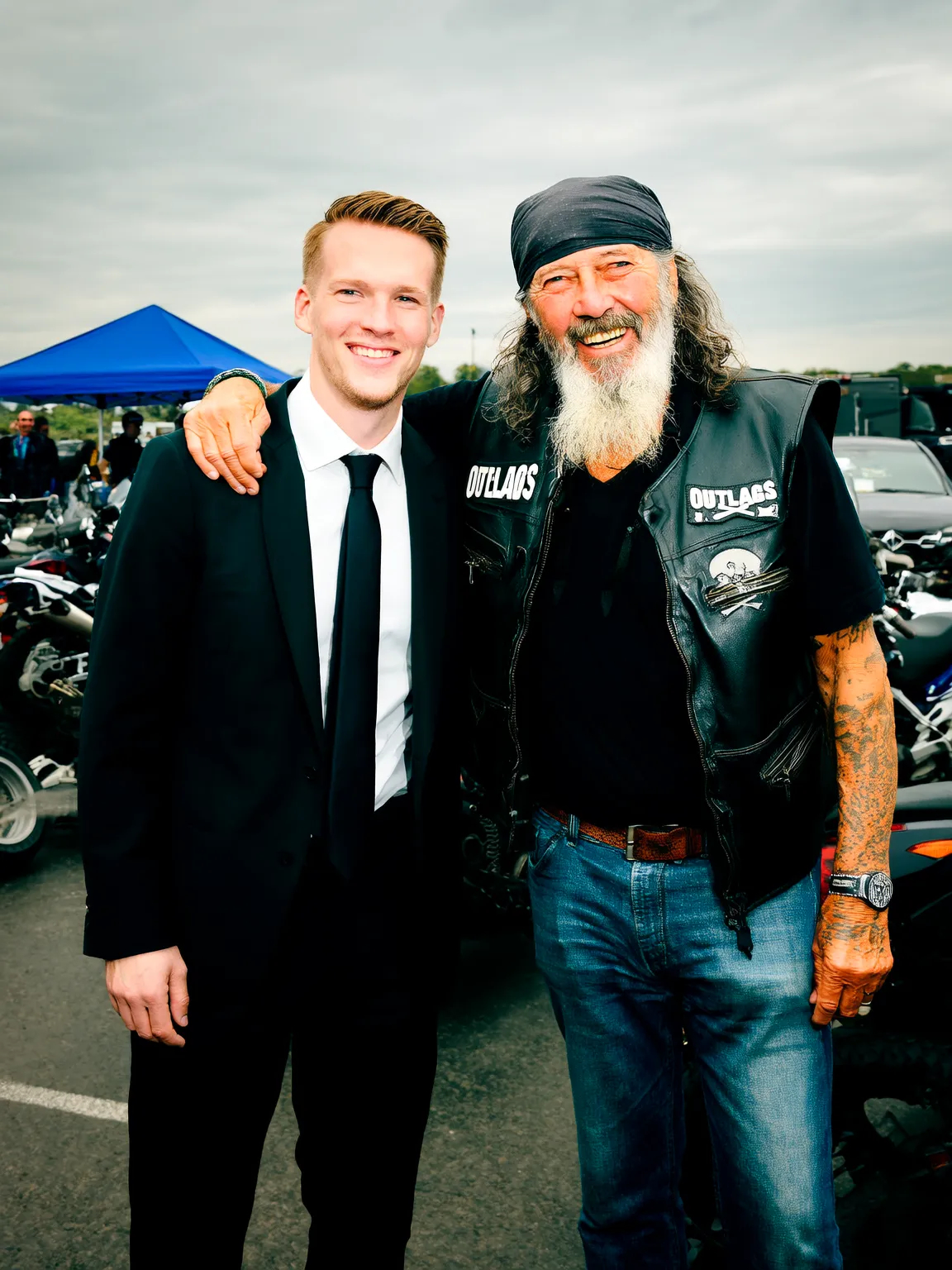
This internal chasm only closed when the city’s attempt to condemn Mike’s shop forced David to choose between his polished facade and the man who taught him that every man needs to know how to work with his hands. It was a surgical return to a “blighted” community that actually functioned as a high-stakes sanctuary for the vulnerable.
The courtroom revelation—where a senior partner at a top firm identified himself as a “dumpster kid”—effectively dismantled the city’s sterile definition of “community.” By putting the human results of Mike’s “kidnapping” on the stand, David transformed the trial from a zoning dispute into a referendum on kindness. The testimony of doctors, teachers, and social workers who had all once found safety in Mike’s back room proved that “degrading the neighborhood” was merely a code for class-based prejudice. The judge’s final decision acknowledged that while Mike’s methods weren’t documented by the state, his results were the very definition of an “asset to the community.”