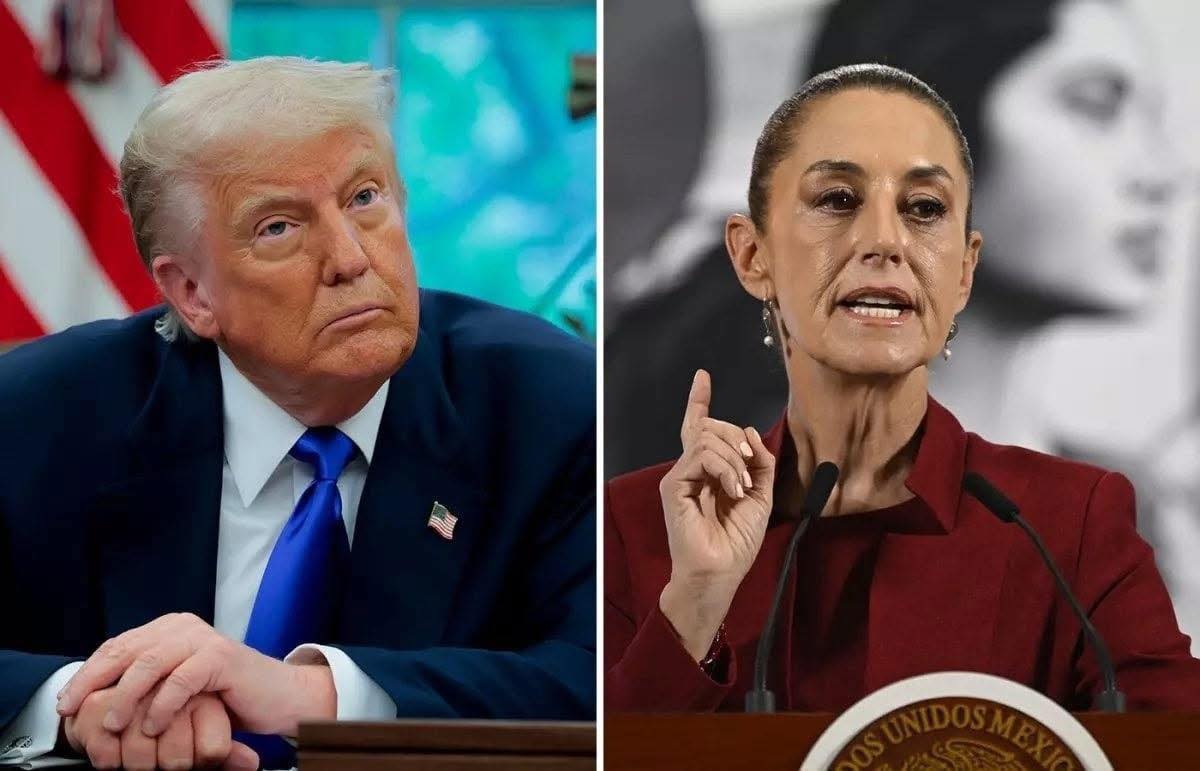
it was symbolic—a message carved into rock and uranium that the era of “managed tension” was over. Iran’s furious invocation of Article 51 was more than legalese; it was a coded threat that the response might come through mines in the Strait of Hormuz, proxy rockets in forgotten deserts, or a cyberattack that no one could easily trace.
Beyond the immediate danger of escalation, a quieter realignment has begun. Middle powers like Mexico, clinging to non-interference, are really defending economic survival in a world where one miscalculation can add $40 to a barrel of oil. The IAEA now stares at smoking ruins instead of sealed cameras, its authority reduced to ash. At the UN, familiar speeches about restraint mask an unfamiliar fear: that the old rules of sovereignty, deterrence, and verification have been replaced by a harsher logic—whoever moves first, defines the future. Whether this night becomes the prologue to peace or the opening chapter of a generational war will depend less on what leaders say in public, and more on what they authorize, in silence, before dawn.