ADVERTISEMENT

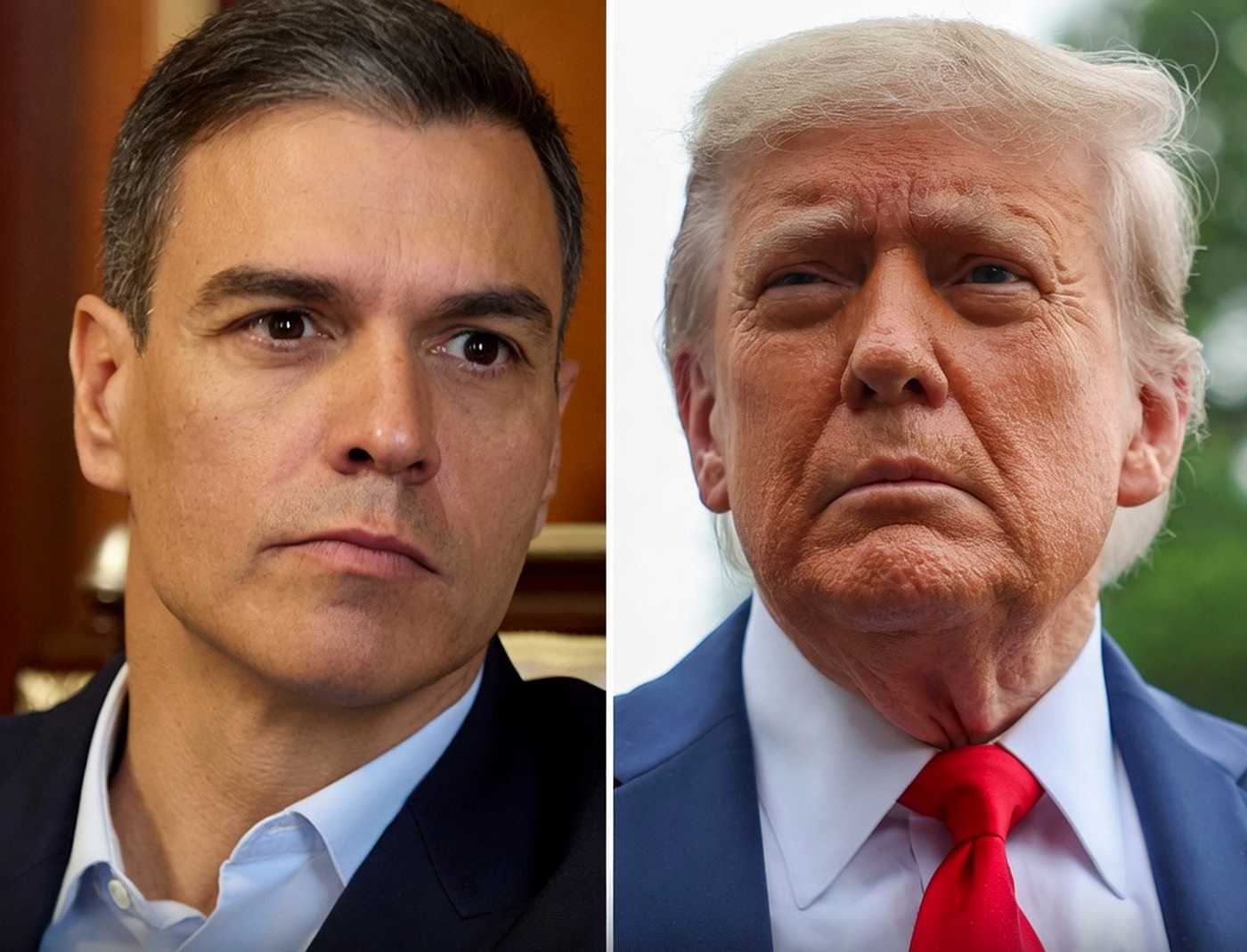
Three-Word Reply from Spain’s Prime Minister to Trump’s Trade Warning

ADVERTISEMENT

  • European autonomy in foreign policy, especially concerning military interventions and responses to conflicts.

  • Trade policy governance within the EU, which often operates separately from the foreign policy agendas of individual European capitals.

  • The current tensions illustrate how divergent policy priorities — even among long‑standing allies — can escalate rapidly when connected to pressing international crises.

    Conclusion: A Complex Transatlantic Dispute

    Spain’s firm refusal to allow U.S. military use of its bases for operations connected to the Iran conflict, and its broader criticism of the campaign, triggered an extraordinary response from U.S. leadership, including threats to cut off trade.

    Rather than retreating, Spain’s government reaffirmed its principles in a nationally broadcast address, encapsulating its position with the phrase “No to war.”

    The European Union has stood behind Spain’s sovereign right to determine its own defense commitments and has reiterated that EU‑wide trade arrangements are not subject to unilateral modification by third countries.

    As the dispute continues to unfold, its political, economic, and diplomatic repercussions are likely to reverberate across transatlantic relations, NATO cohesion, and global discussions about military engagement and international law.

    ADVERTISEMENT

    Leave a Comment

    ADVERTISEMENT