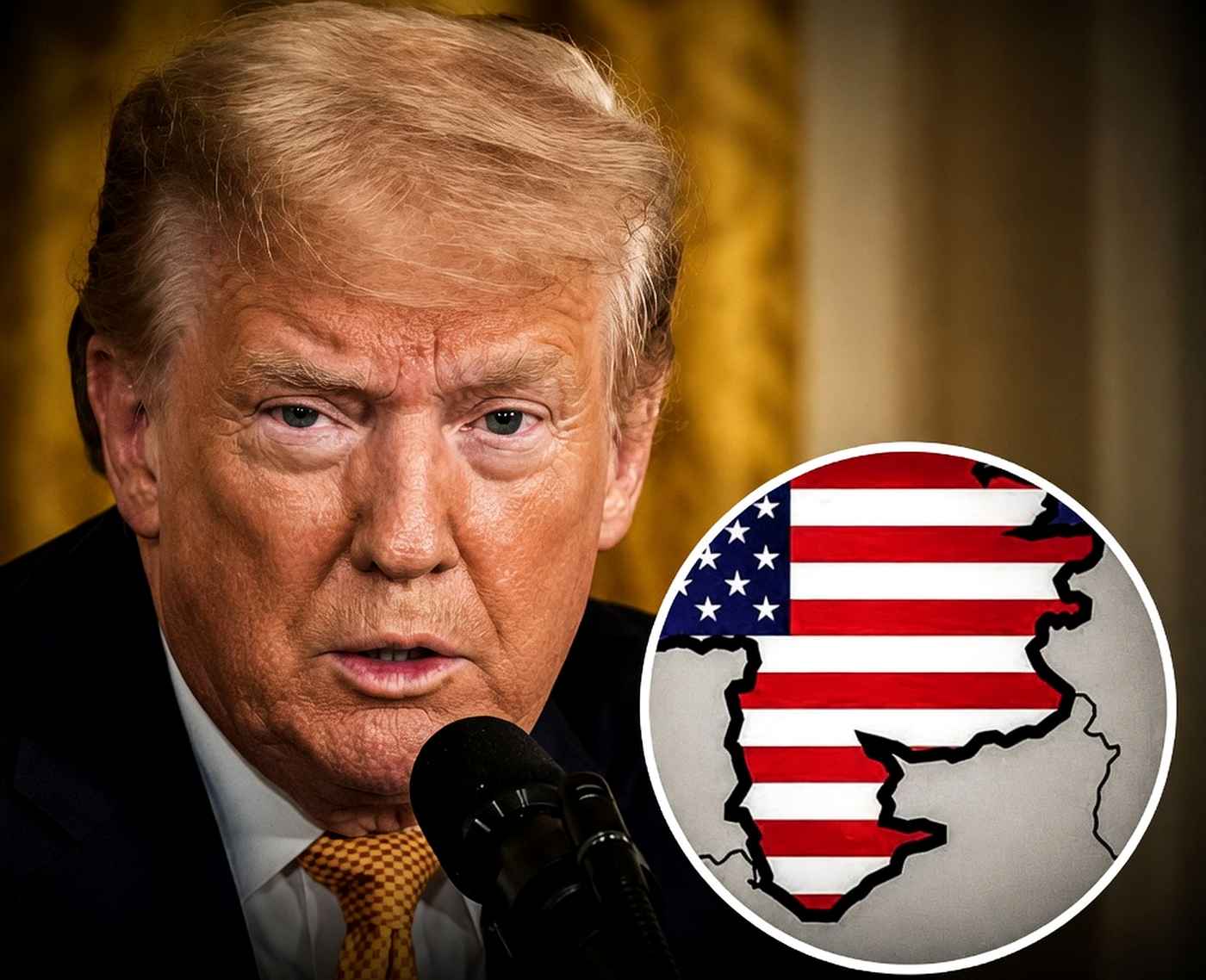
He repeatedly emphasized Venezuela’s massive oil reserves, describing opportunities for American energy companies and celebrating what he framed as economic revival under U.S. influence.
For supporters, this rhetoric projects strength, dominance, and a willingness to aggressively reshape unstable regions. To critics, it sounds dangerously close to imperialism wrapped in modern branding. The image of Venezuela transformed visually into an American state struck a nerve because it touched one of the deepest fears in Latin American political history: foreign control disguised as partnership.
At the center of the political storm stands Delcy Rodríguez, who publicly rejected the idea that Venezuela could ever become part of the United States.