ADVERTISEMENT
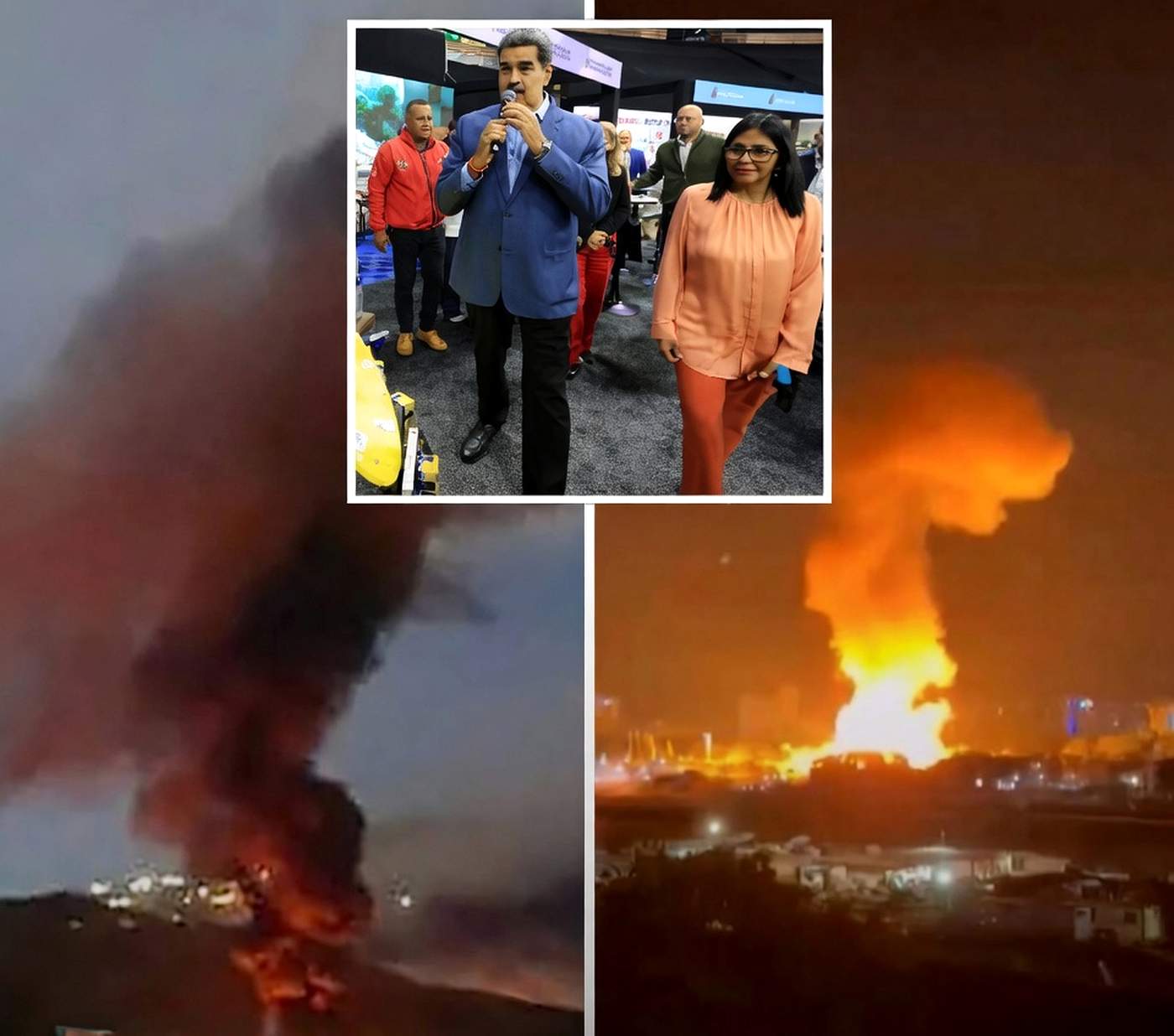
In some quarters, whispers circulate about opposition figures gaining influence and the potential for meaningful change. These discussions often include cautious speculation about the possibility of economic reform, loosening of social restrictions, or reintegration into global markets.
Analysts have noted that these fears, while speculative, are grounded in historical patterns of Venezuelan governance and crisis management. Globally, reactions have been a mixture of astonishment and strategic concern.
Some governments have applauded the enforcement of accountability, framing it as a long-overdue measure against corruption and transnational crime. Others caution that a sudden regime collapse in Venezuela could exacerbate migration crises, disrupt regional economies, and destabilize international relations.
ADVERTISEMENT
